
Common Electrical Myths Debunked by Fort Worth Experts
Understanding Electrical Myths
Many homeowners believe that they have a good grasp of how electricity works. However, myths and misconceptions can lead to unsafe practices. In this post, we’ll explore some common electrical myths that experts in Fort Worth frequently debunk.
Myth: Turning Off Appliances Stops Energy Consumption
One of the most pervasive myths is that turning off electronic devices completely stops them from consuming electricity. However, many appliances continue to draw power even when they’re turned off. These are known as "phantom loads" or "vampire energy."
To reduce these energy leaks, consider unplugging devices or using power strips that can be easily switched off when not in use. This simple habit can lead to noticeable savings on your electricity bill.
Myth: All Power Strips Offer Surge Protection
Another common misunderstanding is that all power strips provide surge protection. In reality, only those specifically designed as surge protectors offer this feature. Using a regular power strip during a power surge provides no additional protection to your devices.
To ensure your electronics are safe, look for power strips labeled as surge protectors and check their joule ratings. The higher the joule rating, the better the protection.
Myth: It’s Safe to DIY Electrical Repairs
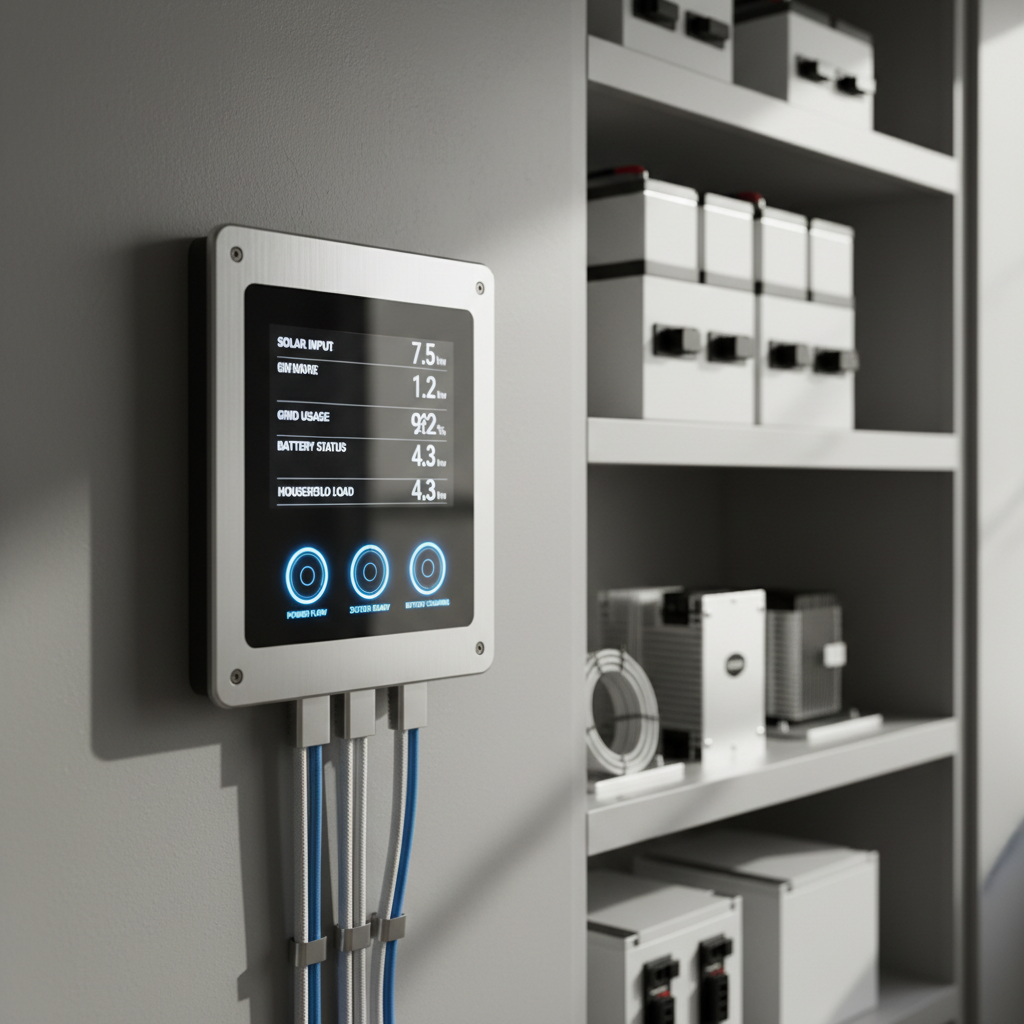
Many people assume they can handle minor electrical repairs on their own. However, this is a dangerous misconception. Electrical work can be highly complex and poses serious risks if not done correctly.
Always hire a licensed electrician for any electrical repairs or installations. Professionals have the expertise to ensure safety and compliance with local codes.
Myth: Circuit Breakers Protect Against All Electrical Hazards
While circuit breakers are essential for preventing electrical fires by cutting off an overloaded circuit, they do not protect against all electrical hazards. For example, they don’t protect against electrical shocks.
- Install Ground Fault Circuit Interrupters (GFCIs) to protect against shocks in wet areas.
- Consider Arc Fault Circuit Interrupters (AFCIs) for added protection against electrical fires.
Myth: Low Voltage Means Low Risk
Finally, many believe that low voltage systems, like those used for lighting or doorbells, are harmless. However, even low voltage systems can pose risks such as electrical shock or fires if improperly installed.
Always treat all electrical systems with caution and ensure installations are done by qualified professionals.
By understanding these common myths, you can make more informed decisions about your home’s electrical systems. Remember, safety should always be your top priority when dealing with electricity.